Boy Scout Troop 325
Scoutmaster Minute
The Fleur-de-lis
January 29, 2008
Larry Polyak, Scoutmaster
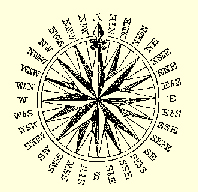
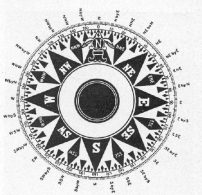
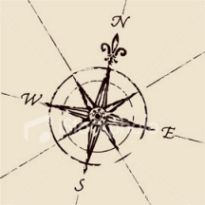
Here are a few pictures of some very very old compasses, the kind they used on ships hundreds of years ago.
Do you notice anything familar about them? That's the scout symbol on top, the Fleur-de-lis. I was wondering where this symbol came from so I researched it, and here is what I found.
The symbol itself can be traced back to monarchies of Spain and France. It appeared on many different Euporean coats of arms and flags, but it is most often associated with the French monarchy, though it was never officially adopted. Literally translated from French, Fleur-de-lis means "flower of lily", and the design is thought to resemble a lily. The symbol has actually been found outside of Europe in many differnt countries such as Japan, India, and Egypt. No one is quite sure where it originally started.
A man named Flavio Gioja, born in Italy in 1302 was a mariner and an inventor. Although compasses had been invented much earlier, Flavio Gioja is credited with perfecting the sailor's compass by suspending a needle over a fleur-de-lis design pointing north and enclosing it in a box. He used the fleur-de-lis in honor of the French King of Naples. Compasses of this sort were used for hundreds of years to guide sailors on the proper course. Without it, they would be lost.
In the 20th century, the Boys Scouts adopted the fleur-de-lis as their international symbol. The meaning is that Boy Scouts, through the scout oath and law, will guide you in the right direction throughout your life. If you use the Boy Scout principles as your compass in life, you will not get lost.
Thanks for listening.